If you are looking for an Albuquerque neighborhood that feels shaped by the land rather than laid over it, High Desert stands out right away. This is the kind of place where trails, arroyos, and mountain-edge open space influence how the community looks and how daily life feels. If you are trying to decide whether High Desert fits your lifestyle, this guide will help you understand what makes it distinct. Let’s dive in.
What makes High Desert different
High Desert is best described as a foothills community, not a typical suburban subdivision. According to the HOA, the original development spans about 660 acres and is organized into 25 villages, each with its own covenants and design supplements.
That structure matters because it helps explain why the neighborhood feels cohesive without looking repetitive. The community identity is tied to sustainability, preserved open space, and a coordinated landscape plan rather than a standard grid of homes and streets.
The land itself also shaped the neighborhood from the beginning. HOA materials say the development followed major arroyos, preserved open-space corridors, and incorporated water-harvesting infrastructure, which gives High Desert a stronger connection to the desert terrain than many planned communities.
Trails shape everyday life
One of the biggest draws in High Desert is how easy it is to build outdoor time into your routine. The HOA identifies three main east-west walking routes inside the community: Spain Trail, Academy Trail, and Blue Grama Trail.
These routes connect to the Tramway bike and pedestrian path, High Desert Street, and Pino Park. The HOA also notes that residents use nearby City of Albuquerque Open Space and Cibola National Forest trails to the east of the neighborhood.
That trail access gives the area a lived-in outdoor rhythm. You are not just near recreation here. In many parts of High Desert, walking paths and open space are part of the daily backdrop.
The foothills add a bigger outdoor network
High Desert connects into a much larger recreation setting through the Sandia Foothills Open Space. The City of Albuquerque says this area covers about 2,650 acres at the base of the Sandia Mountains and provides access to hiking, biking, horseback riding, and the Sandia Mountain Wilderness.
This larger context helps explain why High Desert feels so tied to the mountains. The neighborhood does not sit in isolation. It sits beside a broad open-space system that expands the sense of access well beyond its internal trails.
Outdoor use comes with shared responsibility
The City of Albuquerque treats open space as a managed recreation landscape, not just undeveloped land. City rules encourage hiking, biking, mountain biking, inline skating, and horseback riding in most open-space areas, while also asking users to stay on marked trails, leash pets, and avoid damage to habitat or erosion-sensitive terrain.
That creates a clear culture around outdoor use. The experience is scenic, but it is also shaped by stewardship and respect for the foothills environment.
Architecture follows a coordinated design language
High Desert has variety, but it also has visible design discipline. The HOA says its guidelines address site planning, landscaping, architecture, approval processes, and construction regulations, while village supplements may add more specific direction on styles and colors.
Exterior changes generally require approval, and the HOA maintains separate guidance for items like stucco and roof colors. For you as a buyer or seller, that means the neighborhood’s visual consistency is not accidental. It is part of the community framework.
Homes relate to the desert setting
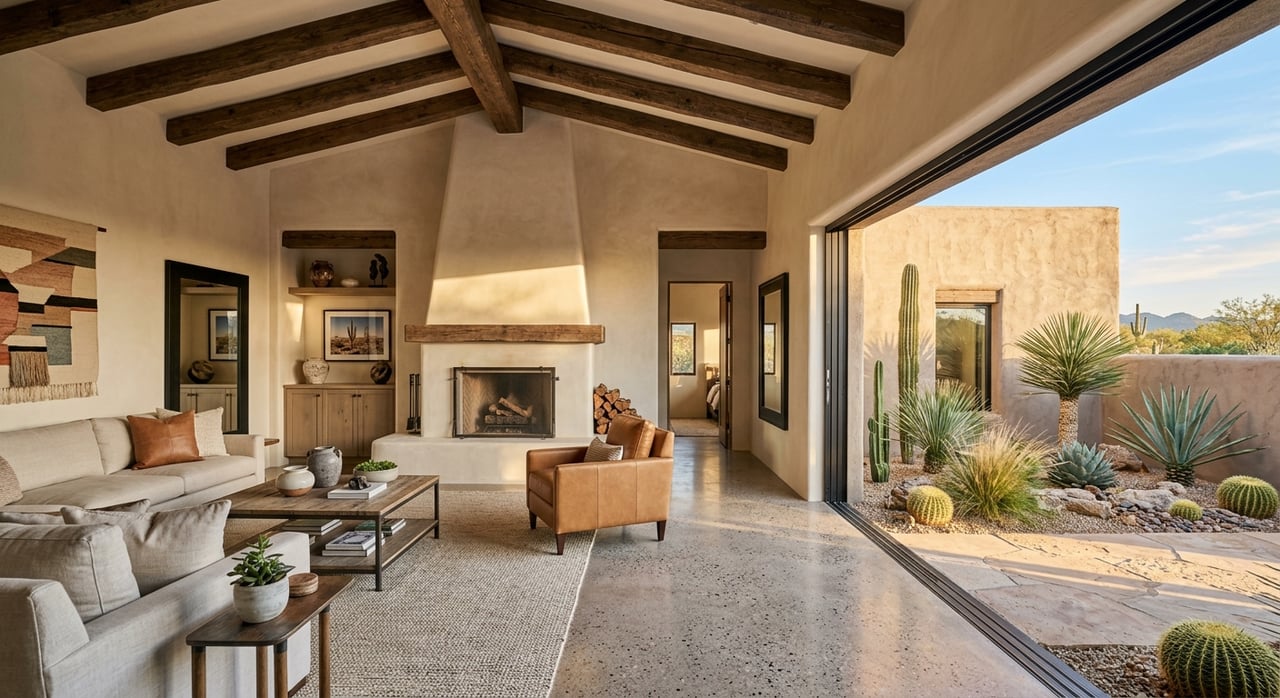
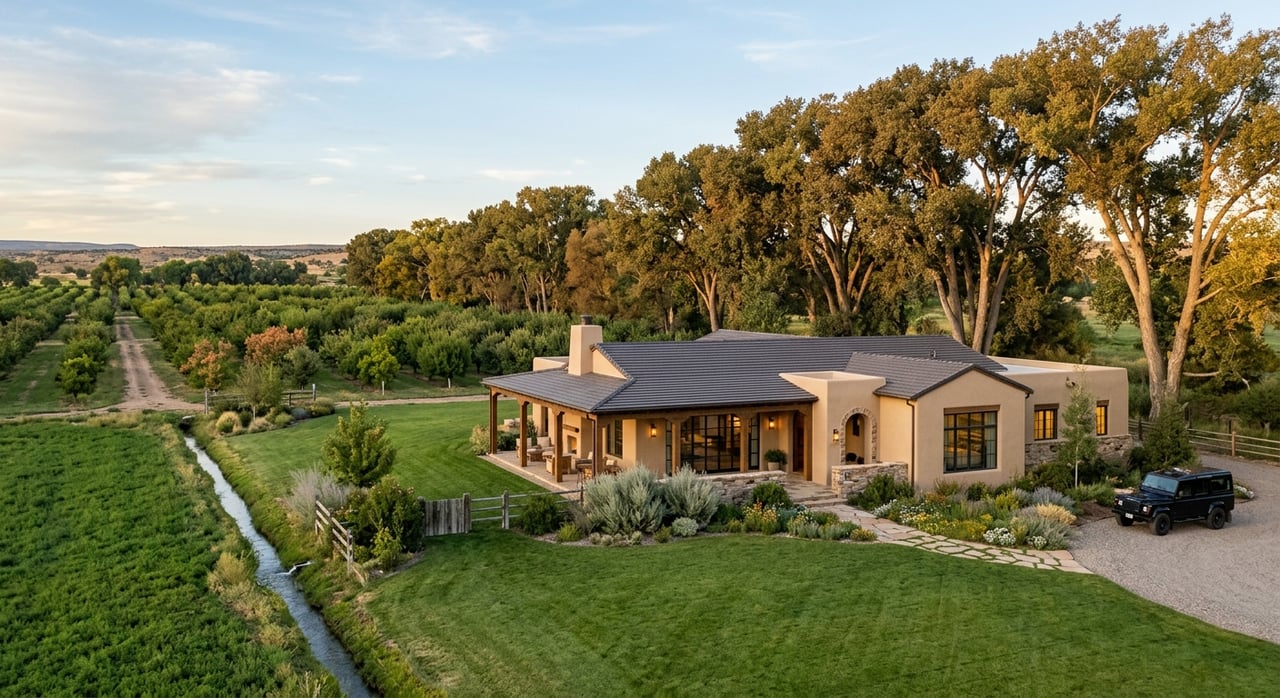
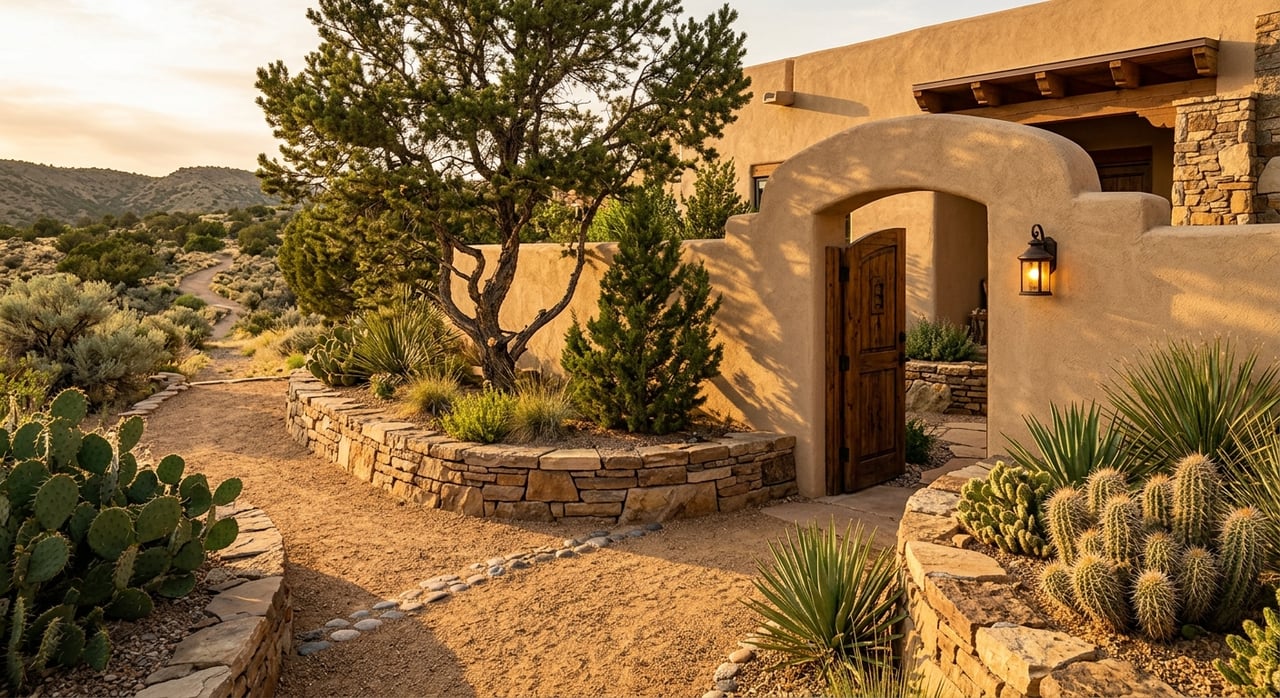
Historically, the neighborhood was planned so homes would appear to grow from the land, using a natural color palette and coordinated materials. The safest way to think about the architecture is as a Southwestern design framework rather than a single house type.
You may see differences from one property to another, but the overall read from the street tends to feel connected. Stucco, roof tones, landscape materials, and exterior details are all guided so that the villages feel related even when individual homes are distinct.
Landscape design is part of the identity
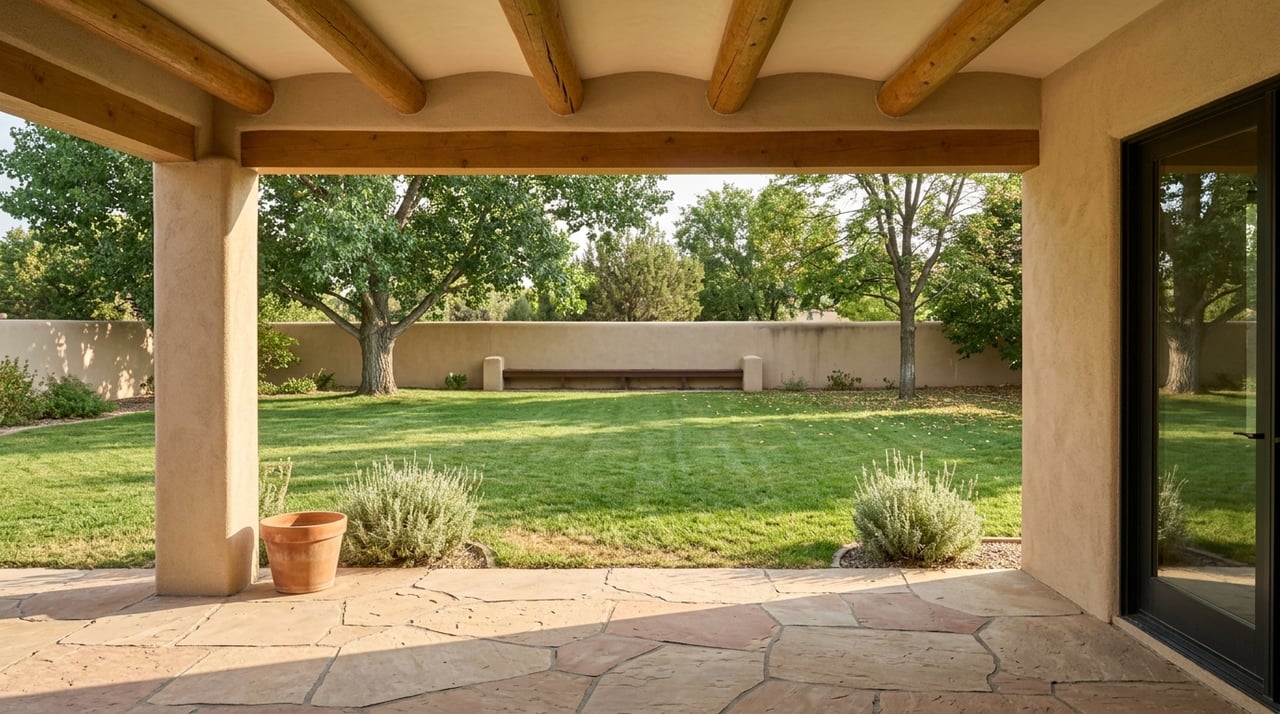
In High Desert, landscape design is not separate from architecture. The HOA describes a system that includes arroyos, water-harvesting features, and irrigated common areas, all of which support the neighborhood’s foothills character.
The community also highlights the Water Kiva and Water Harvesting Garden at Spain and Imperata. Harvested water is used for planted common spaces, reinforcing the neighborhood’s long-standing sustainability focus.
This is one reason High Desert tends to feel carefully composed. The visible landscape is doing more than adding beauty. It is supporting the larger idea of a neighborhood designed around place, water awareness, and open space.
Parks and amenities support the rhythm
High Desert offers more than trailheads and views. The HOA points to High Desert Park with tennis courts, along with pocket parks, the Water Kiva, and Lauda Miles Medara Memorial Park.
Nearby spaces also add to the outdoor lifestyle. The adjacent Albert G. Simms Park and Elena Gallegos Picnic Ground broaden the options for recreation and downtime close to home.
For many buyers, this matters because it creates flexibility in how you use the neighborhood. On some days that may mean a longer foothills hike. On others, it may mean a walk, time at the park, or a shorter outing built into your normal routine.
Access and daily movement
Even with its trail-oriented feel, High Desert still functions within a practical road network. The City of Albuquerque foothills map highlights access corridors such as Tramway, Juan Tabo, Central/Route 66, and I-40.
The HOA also anchors the neighborhood around Tramway, Academy, Spain, and High Desert Street. A practical takeaway is that daily errands and commuting are generally road-based, while the neighborhood experience itself remains strongly connected to walking paths and open space.
That blend is part of the appeal. You get a foothills setting with a distinctive sense of place, while still remaining tied into broader Albuquerque access routes.
Wildlife is part of the backdrop
Living near the foothills also means the natural environment is not just decorative. The City of Albuquerque lists mule deer, coyotes, black bears, cougars, rabbits, rock squirrels, lizards, and rattlesnakes in the Sandia Foothills, along with piñon and juniper habitat.
For some buyers, that is part of what makes High Desert memorable. The neighborhood feels close to the landscape in a real and visible way.
It also reinforces the importance of understanding the setting when you evaluate a home. Outdoor features, lot position, trail adjacency, and the relationship to open space can all shape how a property lives day to day.
Who High Desert often appeals to
High Desert often resonates with buyers who want more than square footage alone. It can be a strong fit if you are drawn to foothills scenery, trail access, coordinated design, and a neighborhood that feels intentionally tied to the desert landscape.
It may also appeal to relocation buyers who want help interpreting how Albuquerque neighborhoods differ from one another. High Desert has a very specific identity, and understanding that character can make your home search more efficient and more confident.
For sellers, that same identity is important in positioning a home well. The setting, the design framework, and the connection to open space are often central to how buyers understand value here.
Why neighborhood guidance matters here
High Desert is one of those places where broad market knowledge is useful, but local interpretation is even more valuable. Village-specific guidelines, design consistency, trail relationships, and foothills positioning all shape how homes compare.
That is especially important if you are relocating, buying a custom home, or preparing to sell a property with distinctive site features. A clear understanding of the neighborhood helps you make better decisions from the start.
If you are exploring High Desert or preparing to sell there, working with an advisor who understands both the lifestyle side and the contract side can make the process feel much more manageable. If you want thoughtful guidance on buying or selling in this foothills community, connect with Giulia Urquhart.
FAQs
What is High Desert in Albuquerque known for?
- High Desert is known for its foothills setting, coordinated Southwestern design framework, preserved open space, and strong access to community trails and nearby mountain-edge recreation.
What trails are in the High Desert neighborhood?
- The HOA identifies Spain Trail, Academy Trail, and Blue Grama Trail as the three main east-west walking routes within High Desert.
What is the architecture like in High Desert?
- Homes in High Desert follow a broader Southwestern design framework, with HOA and village-specific guidelines that help coordinate elements like stucco, roof colors, landscaping, and exterior details.
Does High Desert have parks and outdoor amenities?
- Yes. The HOA highlights High Desert Park with tennis courts, pocket parks, the Water Kiva, and Lauda Miles Medara Memorial Park, with Albert G. Simms Park and Elena Gallegos Picnic Ground nearby.
What is daily life like in High Desert?
- Daily life in High Desert often blends road-based errands and commuting with easy access to walking paths, parks, foothills open space, and a landscape that feels closely connected to the Sandia foothills.
Is wildlife common around High Desert?
- Yes. The City of Albuquerque lists wildlife in the Sandia Foothills such as mule deer, coyotes, black bears, cougars, rabbits, rock squirrels, lizards, and rattlesnakes.